
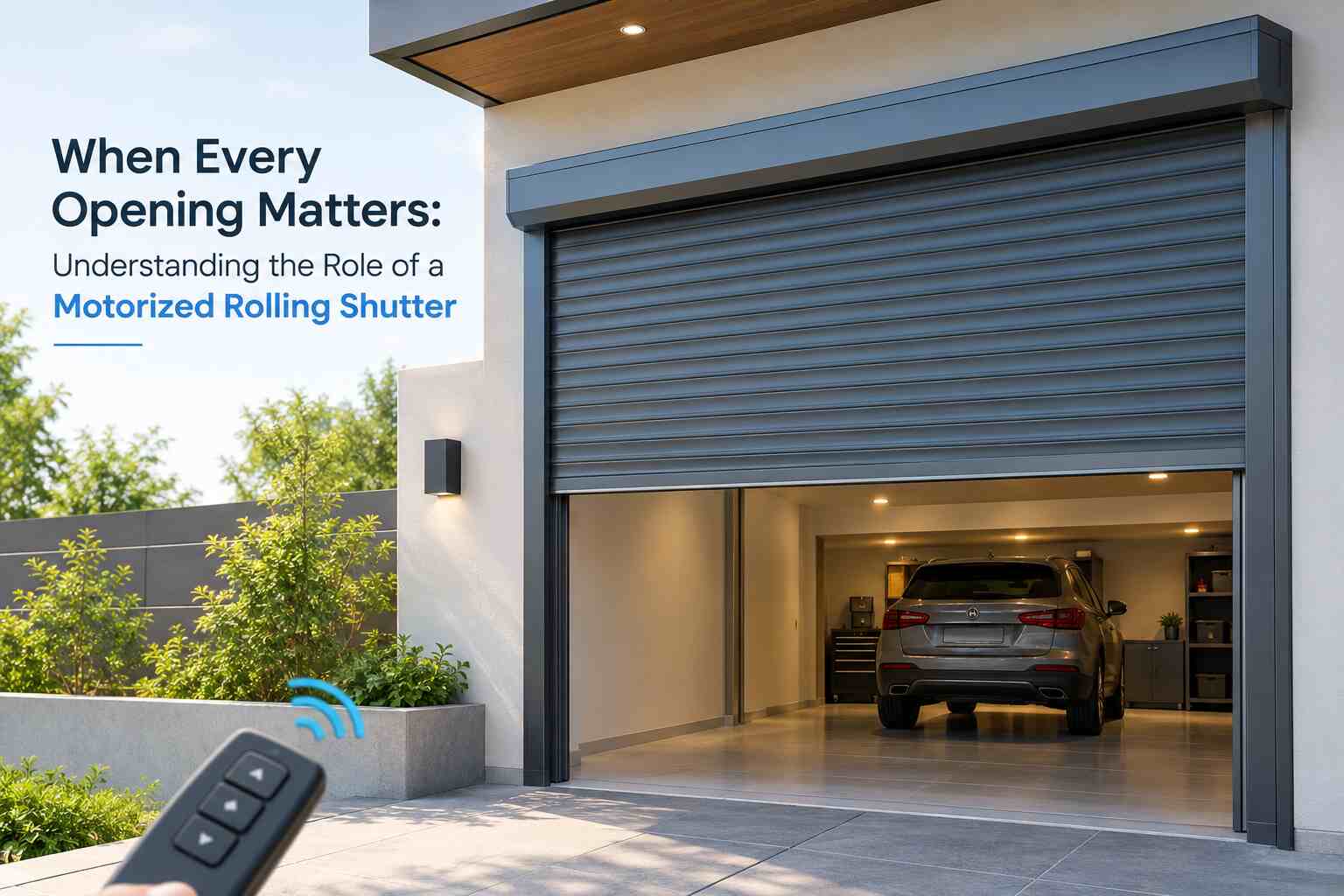
When Every Opening Matters: Understanding the Role of a Motorized Rolling Shutter
HBS-login2026-09-16T06:51:44+00:00Could a frequently used entrance be easier to manage without compromising security? At Vijay Shutter Enterprises, we consider how a Motorized rolling shutter can fit the daily needs of shops, offices, warehouses, factories, and other properties. But is automation only about convenience? Not really. The right setup can support smoother access, controlled movement, and a more practical routine. When an entrance is opened and closed several times a day, small improvements matter. From shutter selection and installation to safety and maintenance, understanding the entire system helps property owners choose based on actual usage.
When Frequent Opening Changes the Requirement
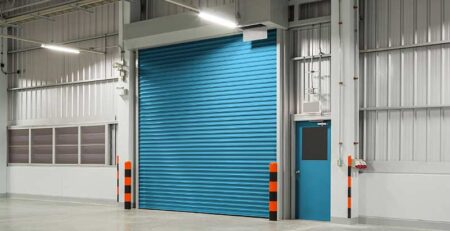
Frequently used entrances and high-traffic commercial entrances have different demands from rarely used openings. A Motorized rolling shutter uses an electric motor and shutter motor to support automatic opening and closing, reducing repeated manual shutter operation.
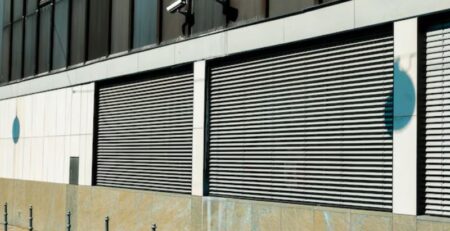
For shops, a Motorized shutter system can simplify opening hours. A Motorized rolling shutter for shops can work alongside shopfront security and commercial entrance security. Where visibility matters, roller shutter grilles may also suit the entrance plan.
An Automatic rolling shutter provides easy shutter operation, property access, and entrance protection when properly selected. The aim is not simply to add a motor; the shutter, motor, controls, and opening size need to work together.
What Happens Behind the Button?
How does a Motorized rolling shutter work? The rolling shutter motor drives the shutter curtain, while the control panel, remote control, or another control method manages movement. A Remote-controlled shutter can make routine access more convenient.
This is commonly called Rolling shutter automation. An Electric rolling shutter can suit different requirements, while an Automatic shutter system may include appropriate shutter safety features. Smooth shutter movement should always be considered alongside safe operation.
For a Motorized shutter for commercial spaces, consider opening frequency, available space, shutter weight, power requirements, and premises type. A Motorised shutter may suit retail shops, office entrances, commercial buildings, and industrial premises when correctly selected and installed.
Security Is Not the Whole Story
Security matters, but automation can also reduce repeated physical effort. A Motorized rolling shutter can support automated access when staff regularly move between a sales area, loading zone, or workplace.
For a Motorized rolling shutter for warehouses, wider openings and frequent cycles may require closer attention to the shutter operating mechanism, motor capacity, controls, and shutter durability.
The same applies to a Commercial rolling shutter at a shop or office. A suitable security shutter should match how people actually use the entrance.
Choose Around Real Usage
Before shutter installation, ask how the entrance works during a normal day. Is it opened a few times or every hour? Do staff, vehicles, or goods pass through it? Is access control required? These questions help define suitable modern entrance solutions.
An automated rolling shutter can support operational efficiency when its design matches the property. If an existing shutter is structurally suitable, existing shutter automation may be considered after assessment.
If another entrance needs a different movement pattern, a Sliding shutter may be worth evaluating. The choice depends on opening size, available space, traffic, security needs, and intended use.
Safety and Maintenance Matter
Automation adds moving and electrical components, so shutter maintenance matters. Operators should follow the manufacturer’s instructions and use competent people for servicing. HSE guidance for powered doors and gates highlights safety features intended to prevent people from being struck or trapped, emergency stopping, and safe operation if power fails.
For powered shutters, useful checks can cover the motor, controls, guide rails, safety sensors, movement, unusual sounds, and visible wear. HSE has also highlighted the risks associated with inadequate inspection and maintenance of powered doors.
Vijay Shutter Enterprises can help property owners consider practical requirements before choosing a system. Vijay Shutter Enterprises provides shutter solutions for different property needs and can help customers understand suitable operating options.
Conclusion
Every entrance has its own routine. The right automated shutter can be useful when the routine involves frequent opening, controlled access, and dependable operation. The right choice should consider property type, opening frequency, shutter design, safety, and maintenance.
For practical shutter guidance, visit the Google Business Profile of Vijay Shutter Enterprises to explore available solutions.
Contact us to discuss your requirements and identify a solution suited to your property.
Frequently Asked Questions
What is a motorized rolling shutter?
It is a powered rolling shutter door operated through an electric motor and control system rather than relying entirely on manual effort.
How does a motorized rolling shutter work?
A motor moves the shutter curtain along its guides, while a switch, remote, or control panel manages opening and closing.
Why use a Motorized rolling shutter for a busy entrance?
It can reduce repeated manual effort and provide convenient, consistent operation for entrances opened and closed frequently.
Can an existing rolling shutter be automated?
Potentially. Its condition, weight, dimensions, operating mechanism, and structural suitability should be assessed before automation.
What safety features are useful in automated shutters?
Depending on the system, these can include sensors, emergency stopping controls, obstruction detection, and safe operation during power failure.

Leave a Reply